
Benefits Design That Doesn’t Favor One Generation
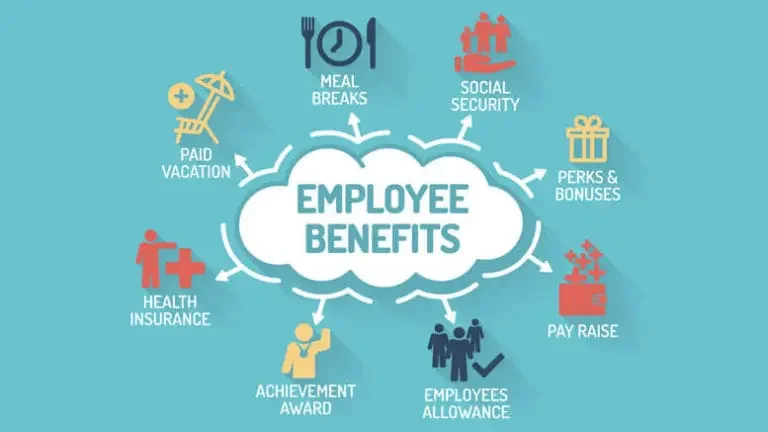
Benefits shouldn’t be designed around generational stereotypes. Instead of assuming what different age groups want, organizations should create flexible, human-centered benefits that support diverse life stages and responsibilities. Equitable design means offering choice, transparency, and meaningful access—so all employees feel supported, not just one generation.
Why Gen Z Is Reshaping Workplace Accountability
Gen Z is redefining workplace accountability by expecting it to be mutual, transparent, and values-driven. Rather than accepting traditional top-down oversight, they believe leaders should be held to the same standards as employees — especially when it comes to culture, ethics, and follow-through.
They prioritize authentic commitments to diversity, mental health, and social responsibility, and they leverage digital platforms to hold organizations publicly accountable. Gen Z also favors continuous feedback, clear growth pathways, and sustainable work expectations over outdated annual reviews and burnout culture.
Ultimately, this generation isn’t rejecting accountability — they’re expanding it to include leadership integrity, organizational transparency, and measurable action.
Managing the Legal Challenges of a Multi-Generational Workforce
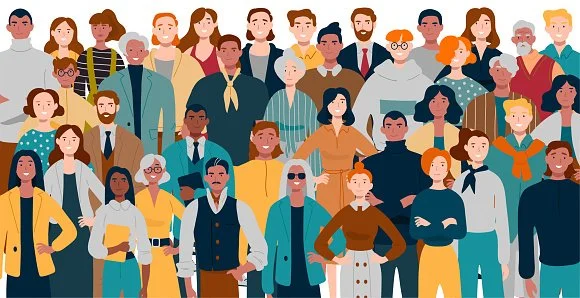
This article addresses the legal and strategic challenges of managing a multigenerational workforce in the United States. It traces the evolution of protections from the pre–Age Discrimination in Employment Act (ADEA) era to current federal statutes, highlighting limitations in coverage for workers under 40 and the emergence of reverse discrimination claims. Drawing on generational theory, case law, including Ames v. Ohio Department of Youth Services and Bergen Commercial Bank v. Sisler, as well as a hypothetical workplace dispute, this analysis examines how succession planning, mentorship, benefits, and accommodations policies impact equity across age cohorts. Divergent state laws, rising expectations among Gen Z workers, and shifting organizational norms are examined for their legal implications. The paper concludes that closing statutory gaps, expanding protections, and embedding inclusive practices are essential to fostering generational equity, reducing litigation risk, and ensuring all employees have fair access to opportunity and advancement in an increasingly age-diverse workplace.